Serving Greater Boston and RI Since 1978
Excellent Reviews
5.0 Rating
Serving Greater Boston and RI Since 1978
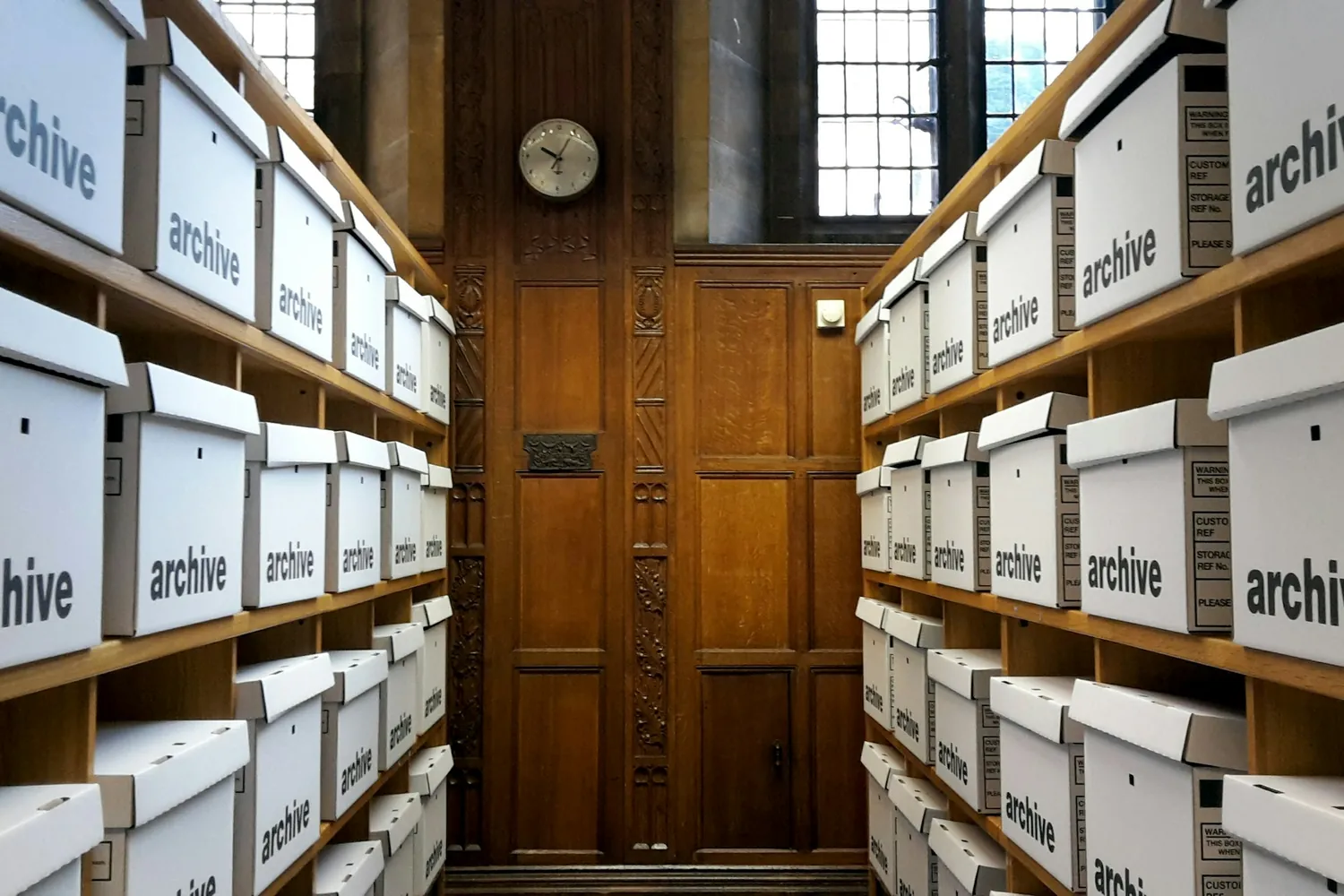
Buono Pest Control works with museums, historic houses, archives, and collections storage across Greater Boston, on recurring programs built around monitoring, documentation, and exclusion.
In most commercial buildings, the risk is to the building. In a museum, the risk is to what the building holds. Collections storage, galleries, archives, receiving areas, and the spaces between them each carry different exposure.
Buono builds the program around the building and the way it runs. Where the collection sits, how objects arrive, and how spaces are cleaned shape where monitors go.
Buono runs Commercial work as a recurring program rather than a one-time job.
Monitors go where insects travel and settle: floor and wall edges, corners, doorways, drains, undisturbed areas, and close to vulnerable storage. Each location is mapped and numbered.
What the traps hold, how many, which life stage, where, and when. Buono writes it up so the collections team reads trends rather than single counts.
Counts are compared against earlier periods and the same season last year. A rising number in one location drives the next action. That might be exclusion work or a change in housekeeping.
Four conditions shape how the work is done.
Work planned around opening hours, visitors, and loans, by people who understand that an object cannot be replaced.
Coordination with collections, conservation, and facilities staff, including agreement before anything is applied near collections space.
Entry points, housekeeping conditions, and the dust and debris that feed collection pests, addressed before activity reaches an object.
The same team and the same trap routes on every visit. That is what makes the monitoring data comparable from one period to the next.
The program is shaped by the building, the collection, and what the monitoring finds.
A first pass over the structure, the grounds, and the collection areas, establishing where pests enter and where conditions favor them.
Prevention, monitoring, and targeted response run on the IPM system Buono has worked on since 1982.
Mapped monitors, scheduled checks, identification of what is caught, and written records the institution can hold in its own files.
Rodents damage collections directly, and their carcasses feed collection pests. Entry points are closed through exclusion work, including trenching and cement work handled in-house.
Silverfish in paper and archive areas, and the stored-product beetles that reach herbaria, dried plant material, and ethnographic collections.
Exclusion only, not removal. Nest debris and dead birds in a historic roofline feed the insects that damage collections below.
Most museums already know that spraying is the wrong tool. A preventive program rarely calls for conventional application at all. Buono moved off routine spraying in 1982 and has worked on IPM since.
So the split is worth stating plainly. Buono works on the building, the monitoring, and the conditions that let pests in and feed them. Decisions about an individual object, including isolation and any treatment, stay with the collections and conservation team.
That boundary is not a limitation. A conservation team needs monitoring it can trust before it acts, and producing that record well is the contractor’s job.

Sensitive environments have been the core of the work for decades, from hospitals and operating rooms to research facilities and higher education. The same recurring structure runs across commercial properties: property management, multi-family buildings, restaurants, offices, warehouses, and industrial sites.
Vivarium and research facility programs are covered separately.
Four questions that come up early with collections staff.
No. Buono works on the building, the monitoring, and the conditions around the collection. What happens to a specific object is the conservation team’s call, and that is the right place for it.
Not as a routine practice. In a collections building, prevention, exclusion, and monitoring carry the program. Anything applied is discussed and agreed with the museum before the visit.
Trap counts by location and date, identification of what was caught, and the trend against earlier periods. The records are written for the institution to keep.
Yes. Exclusion in a historic structure is its own problem, because the openings are often original fabric. Buono handles structural exclusion in-house, so a repair can suit the building.
Museum pest management services here begin with a walk-through of the building and a conversation about what it holds. Call (617) 489-3008 or use the form on this page.